
In the agricultural sector, global sourcing has become the most important topic. Farmers, growers, and manufacturers strive to reach markets all around the world. Transport companies provide tailored solutions to these diverse needs in agriculture and aim to deliver efficient and economical logistics services.
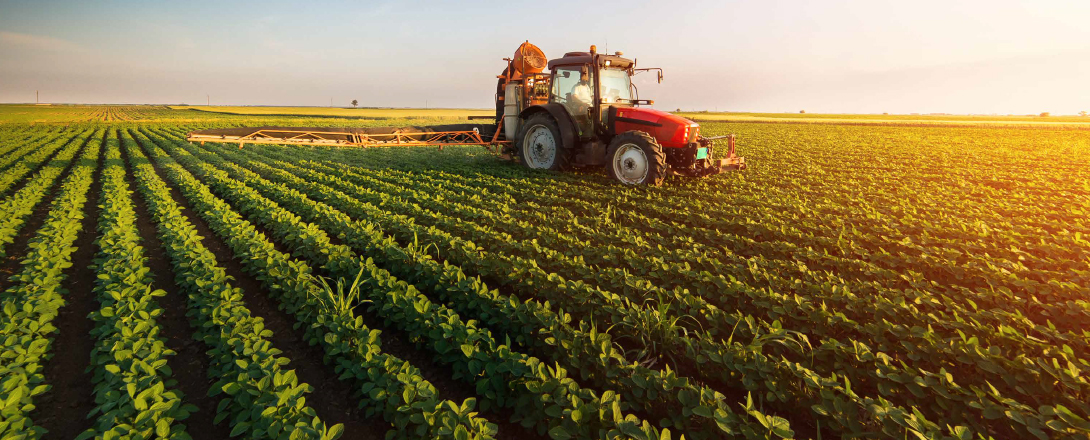
It is crucial to improve the quality and extend the shelf life of agricultural products. Logistics providers bear responsibilities in this respect. Ensuring fast access along all trade routes, establishing solid links with ports and customs points, and delivering fast, reliable, well-equipped service at the time and place customers need are key to quality service in transportation.
However, everything in agriculture does not end with the order and quality of transport operations. Especially for agricultural products, fertilizers, or solid chemicals to be exported, quantity, quality, and characteristics must be inspected before loading or during discharge. This point is important not only for buyers and sellers but also for insurers and carriers.
Services provided by inspection and supervision bodies include hold/warehouse cleanliness checks, sampling from products in accordance with standards, sample preparation and, where necessary, testing and analysis of samples, as well as pre-loading stock checks. All these services help buyers and sellers in foreign trade trust each other and strengthen their commercial relations.
In world trade, Turkey’s agricultural sector is among those most exposed to restrictions. Despite this, exports of agricultural and food products rose from USD 3.6 billion in 2002 to USD 16 billion by 2015. Globally, the interdependence of countries on food and agricultural products is increasing and will continue to rise. The world population is expected to reach 9 billion by 2050, while arable land is decreasing due to climate change and rapid urbanization.
These adverse developments make the demand for food and agricultural products a highly critical factor. Consequently, obtaining more yield from smaller areas becomes inevitable, which brings issues such as genetically modified products, additives, chemical fertilizers, and pesticides—negatively affecting the quality of agricultural products. Therefore, services such as measurement, inspection, testing, analysis, and audits performed by inspection bodies are highly important.
With strong technological infrastructure and an experienced team, our organization delivers these services flawlessly. The main inspection services for agricultural products, fertilizers, and solid chemicals we provide include:
Stones and minerals formed by the internal and external natural conditions of the earth’s crust and that have economic value are called ores. All chemical substances that make up the earth’s crust outside living beings are called minerals; they are solid chemical compounds—generally crystalline—in the crust and always contain the same elements in the same proportions.
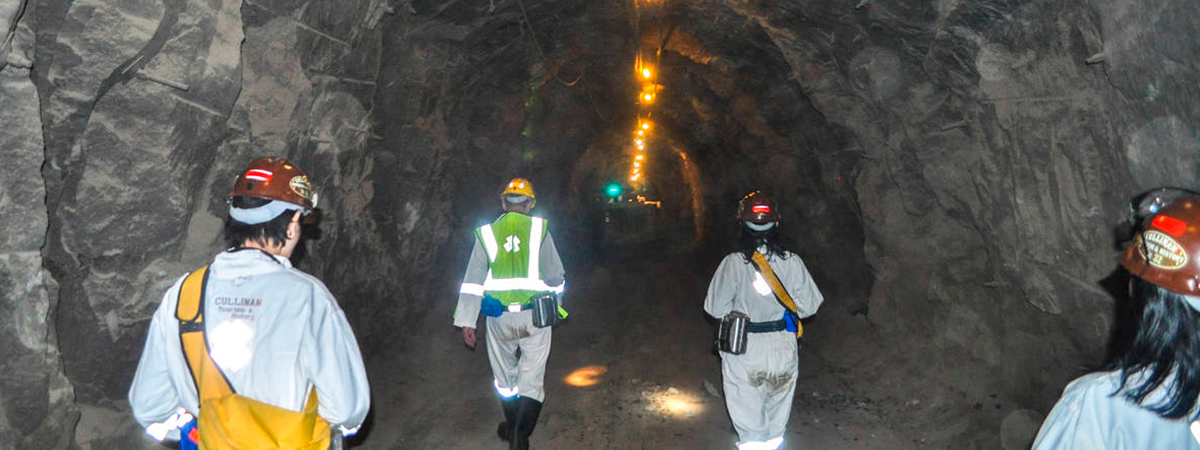
Rocks consist of different mineral compounds. Many minerals are rock types that formed when magma—i.e., a mixture of molten minerals—cooled and solidified. As magma cools, mineral crystals appear; for example, mica, feldspar, and quartz in granite rocks form this way. Some minerals occur in rocks transformed by high heat and pressure.
Over time, rocks erode; minerals break away from the rock mass and are carried elsewhere by rivers. Sandstone, for instance, forms when quartz grains settle and cement together. Many mineral veins contain valuable metals.
In short, minerals are naturally occurring compounds that cannot be produced artificially and have specific chemical structures. Except for mercury and crude oil, all minerals are solid; the hardest mineral is diamond. There are around 15,000 known minerals.
An ore deposit refers to a deposit of ore minerals. Minerals are inorganic chemical substances found in the crust and exhibit almost the same physical and chemical properties everywhere. Minerals from which production is economically feasible are called ores. If minerals used in metal production occur at concentrations higher than the crustal average, an ore deposit exists.
Inspection bodies perform quality and quantity controls, take samples, carry out necessary measurements, tests, and analyses, and issue reports regarding all these works before loading, during loading, and during discharge of ores and minerals—according to customer requests and applicable standards.
Such work is mainly performed for scrap iron, pig iron, ferro-manganese, ferro-silicon, ferro-silico-manganese, ferro-molybdenum, ferro-chrome, cement, lime, feldspar, coal, anthracite, and coke.
With strong technological infrastructure and an experienced team, our organization delivers these services flawlessly. Our principal ore and mineral inspection services include:
The purpose of industrial enterprises is to generate profit. They can exist, compete, and sustain themselves in the market to the extent that they add value to the goods and services they produce. Their success depends on product performance, process efficiency, product design, and service quality. The accuracy and reliability of all these can only be verified and demonstrated through the supervision and audits performed by impartial, independent third-party organizations.
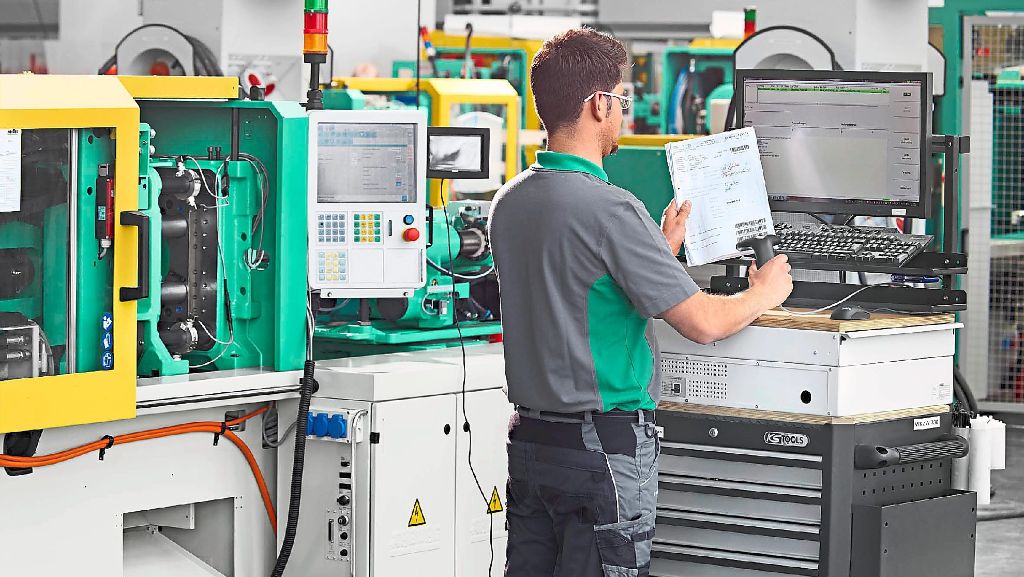
Experienced auditors working at inspection bodies operate in line with applicable legislation and national/international standards and report the results of observation, inspection, and control activities.
Within this scope, inspection bodies provide numerous services such as production control and certification, condition assessment inspections, third-party inspections, risk assessments, industrial plant valuation, supplier approval, installation checks, and commissioning tests. They also perform technical audits, in-service inspections of facilities, site supervision, service-process checks, non-destructive testing (NDT), and inspections during provisional and final acceptance stages.
In general, production and technical inspections in industry aim to determine whether products, machines, and equipment meet the requirements defined in standards. To assure quality, these elements must comply with both relevant legal regulations and contractual obligations with customers. Industrial inspection services are essentially carried out to confirm and certify that products are manufactured in conformity with these requirements.
Thanks to such inspections, enterprises ensure products are manufactured at the required quality and in line with procedures, and that goods are handled correctly and safely during transport operations.
In short, if enterprises want to prove the quality of their products and processes worldwide, there are many advantages to obtaining such services from inspection bodies. The reports and certificates issued are internationally valid and accepted globally.
Industrial production spans a wide range—from agricultural machinery to medical products, from automotive to aviation. Whatever the sector, manufacturing is not easy. Beyond regulations, standards, and contractual terms, compliance with quality, health, safety, and especially international requirements is essential.
With strong technological infrastructure and an experienced team, our organization delivers these services flawlessly. Our principal industrial inspection services include:
Almost all petroleum products are derived from crude oil distilled in refineries. Based on the quality and characteristics of available crude, refineries produce various products according to demand. Today, the largest use of oil is energy. Gasoline and fuel oil obtained at different grades from crude are major consumption items. Refineries also produce many other chemicals. Principal refinery products include petrochemicals (e.g., plastics), diesel, gasoline, fuel oil, asphalt, tar, paraffin, kerosene, and liquefied petroleum gas (LPG).
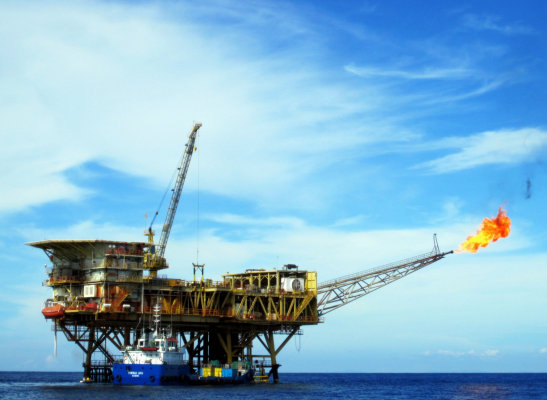
The word petroleum is derived from the Latin words “petra” (rock) and “oleum” (oil). Crude contains significant amounts of methane, ethane, and propane. Oil extracted from underground is crude, i.e., unprocessed; after processing, the many products listed above are obtained.
The earliest use of oil was for heating and lighting in the 4th century, and it began to be used in oil lamps in the second half of the 19th century. Since then—especially with the spread of motor vehicles—its importance has steadily increased.
The formation of oil takes millions of years, and all deposits lie deep underground. Determining the quality and characteristics of crude oil and petroleum products—one of today’s most important energy sources—requires special expertise. Trained and experienced inspectors at supervision bodies provide these services in line with published standards.
Inspections of crude oil, petroleum products, gases, and chemicals are carried out mainly according to the following standards:
With strong technological infrastructure and an experienced team, our organization delivers these services flawlessly. Our principal inspection services for crude oil, petroleum products, gases, and chemicals include:
General cargo inspection services are provided for palletized, packaged, or boxed cargoes loaded onto or discharged from cargo vessels. The key point here is to ensure loading and discharge operations are carried out quickly, safely, without damage, with high performance and quality.
Cargoes include a very wide range of product groups—from textiles to plastics, toys to foodstuffs, machinery to aircraft parts, chemicals to accessories, consolidated cargoes to electronics. Regardless of the transport mode, cargo must reach the consignee quickly and safely without deterioration.
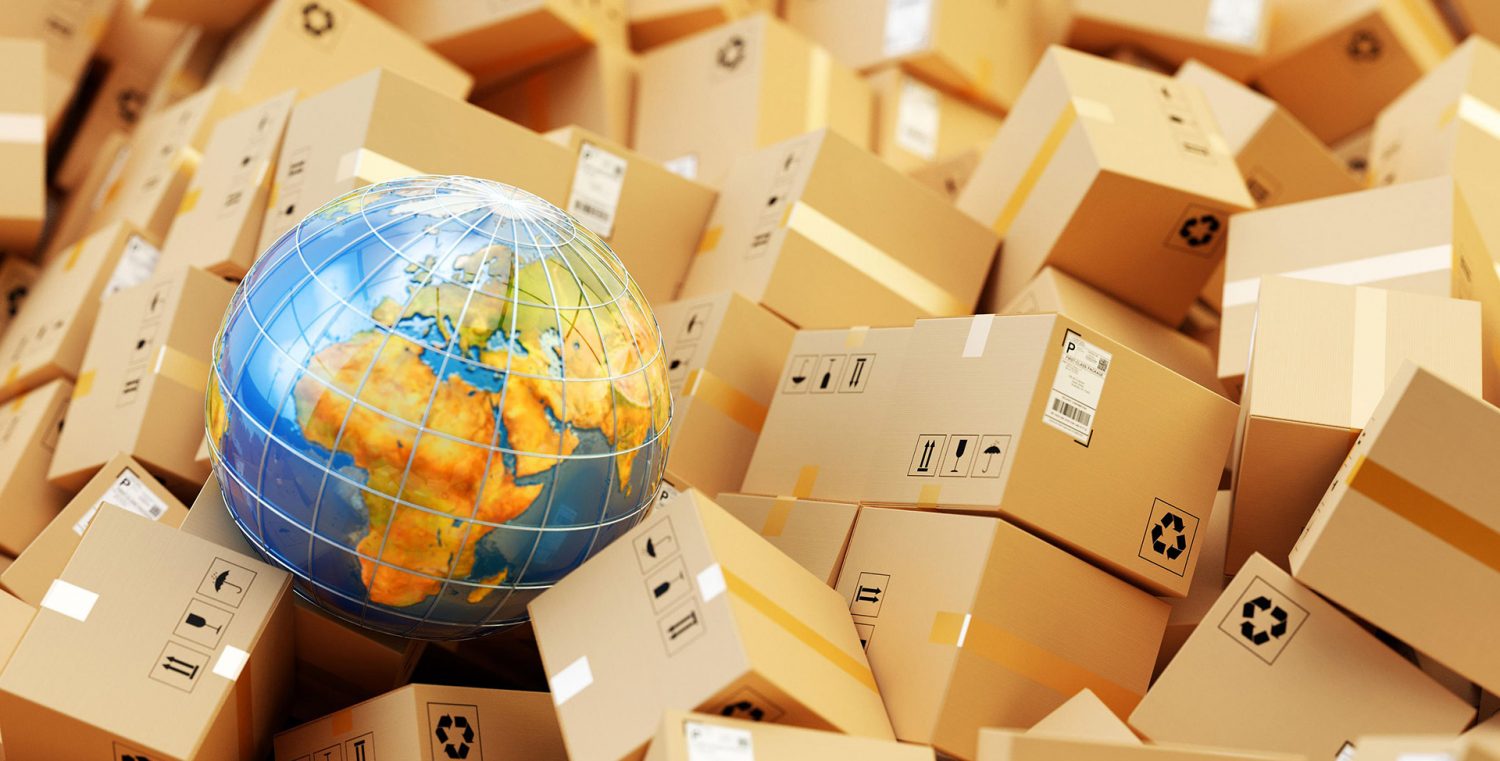
Although general cargo is so diverse and voluminous, handling and transportation require less documentation and fewer procedures than other cargo types. In transporting such cargo, qualitative and quantitative conditions are essential.
Cargo carriage is one of the core services of logistics providers. Essentially, it is a type of transport service: “cargo” means the load to be carried. Internationally, cargo transport means carrying any load regardless of weight, size, or content; in Turkey, however, smaller loads and packages below a certain weight are considered cargo—akin to parcel distribution internationally.
General cargo inspection services provided by supervision bodies mainly cover commercial and corporate cargoes involved in foreign trade transactions. For buyers, sellers, and insurers, the carriage must be performed quickly, carefully, reliably, and with quality. Damage to cargo is unacceptable.
Therefore, in addition to monitoring quantity and quality, it is important to supervise loading and discharge operations, oversee lashing, take samples where necessary, and witness analyses—all to ensure cargo security for all parties.
With strong staff and technological infrastructure, our organization delivers these services flawlessly. Our principal general cargo inspection services include:
To protect consumer health and safety and to prevent the trade of illegal and counterfeit food products, supervision of loading, carriage, and discharge of food products is of great importance. Food products include solid and liquid foods, ready-to-eat packaged foods, and all raw or finished food products. Loading and discharge operations must be performed in accordance with national and international standards.

Through inspection activities, food products are ensured to meet contract terms between foreign-trade parties, technical specifications, and quality standards.
Regardless of the transport mode, ensuring that food products are loaded, transported, and delivered as expected and meet all requirements is crucial in foreign trade. For example, pre-shipment inspections cover checks of quality, quantity, packaging, packing, and loading. Supervision during loading or discharge ensures safe and correct handling of food products.
These services are provided by international inspection bodies, and their reports constitute conclusive evidence for the parties. Controls, measurements, tests, and analyses in food inspection take into account relevant legal regulations and published national and international standards. Chief among these are the Food Hygiene Regulation and TS 13027 (General rules for hygiene and sanitation in food production places). Not only the production but also the packaging, storage, transportation, loading, and discharge of food products must be carried out under conditions suitable for human health.
Foodstuffs to be exported as well as those to be placed on the domestic market, and all materials and articles in contact with food, must comply with the relevant legal regulations. Unsafe food and materials in contact with food cannot be distributed domestically nor exported. Therefore, quantity and quality supervision, weighbridge checks, sampling for tests and analyses, and witnessing of those analyses for food to be loaded onto ships, trucks, trailers, railcars, or containers are important.
With strong staff and technological infrastructure, our organization delivers these services flawlessly. Our principal food product inspection services include:
The iron and steel industry plays a key role in Turkey’s economic development. Trends in this sector are closely related to the country’s development process and significantly affect sub-sectors linked to iron and steel. The sector supplies inputs to many industries—especially construction materials—as well as shipbuilding, aviation, railways, rolling stock, automotive, and all kinds of electrical/electronic devices, machinery, and goods.
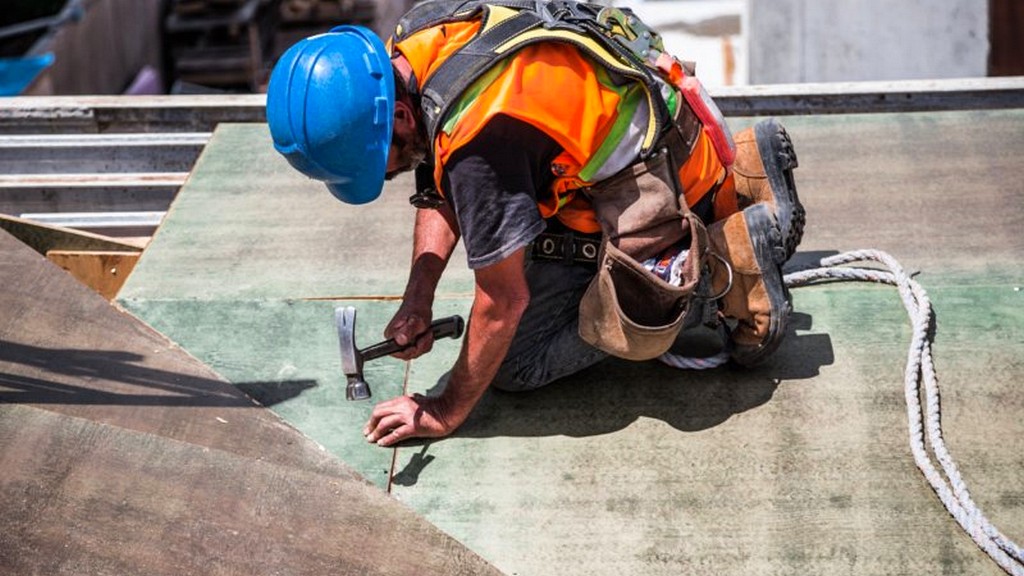
In developed countries, per-capita iron and steel consumption averages around 500 kg; in Turkey it is roughly 350 kg. With increases in industrial output, restructuring efforts, and growing product diversity, per-capita crude steel consumption is expected to rise in the coming years.
Today, about 30,000 companies operate in Turkey’s iron and steel goods sector, employing more than 130,000 people. Casting products have the largest share; Turkey’s foundry industry holds an important place in Europe and worldwide. There are over 1,200 foundries—mostly SMEs—with around 50 large-scale enterprises. These firms supply parts to domestic white-goods, machinery, and automotive industries and export directly to foreign companies.
The sector faces common challenges both domestically and abroad, such as overcapacity, insufficient domestic and foreign demand, and the need for technological modernization.
Another important need is inspection services such as quantity and quality supervision, finished product production control, raw material quality determination, scrap quality determination, weighbridge checks, and radioactivity measurements. International inspection bodies provide a set of control and supervision services for enterprises in the iron and steel sector. In case of disputes between parties, the inspection and test reports issued constitute conclusive evidence and are accepted worldwide.
With strong staff and technological infrastructure, our organization delivers these services flawlessly. Our principal iron and steel product inspection services include:
E-mail: egitim@kascert.com E-mail: info@kascert.com