
Testing Services
Many electrical and electronic devices are used in homes and workplaces. Numerous machines and equipment, with and without motors, are also used. A very wide range of textile products is used for clothing, upholstery, or accessories. In daily life, a great variety of foods is consumed. Water is likewise used for drinking and cleaning. All of the above may, depending on the circumstances, pose various risks to the health and safety of consumers during use and of the employees in the workplaces where these items are produced.
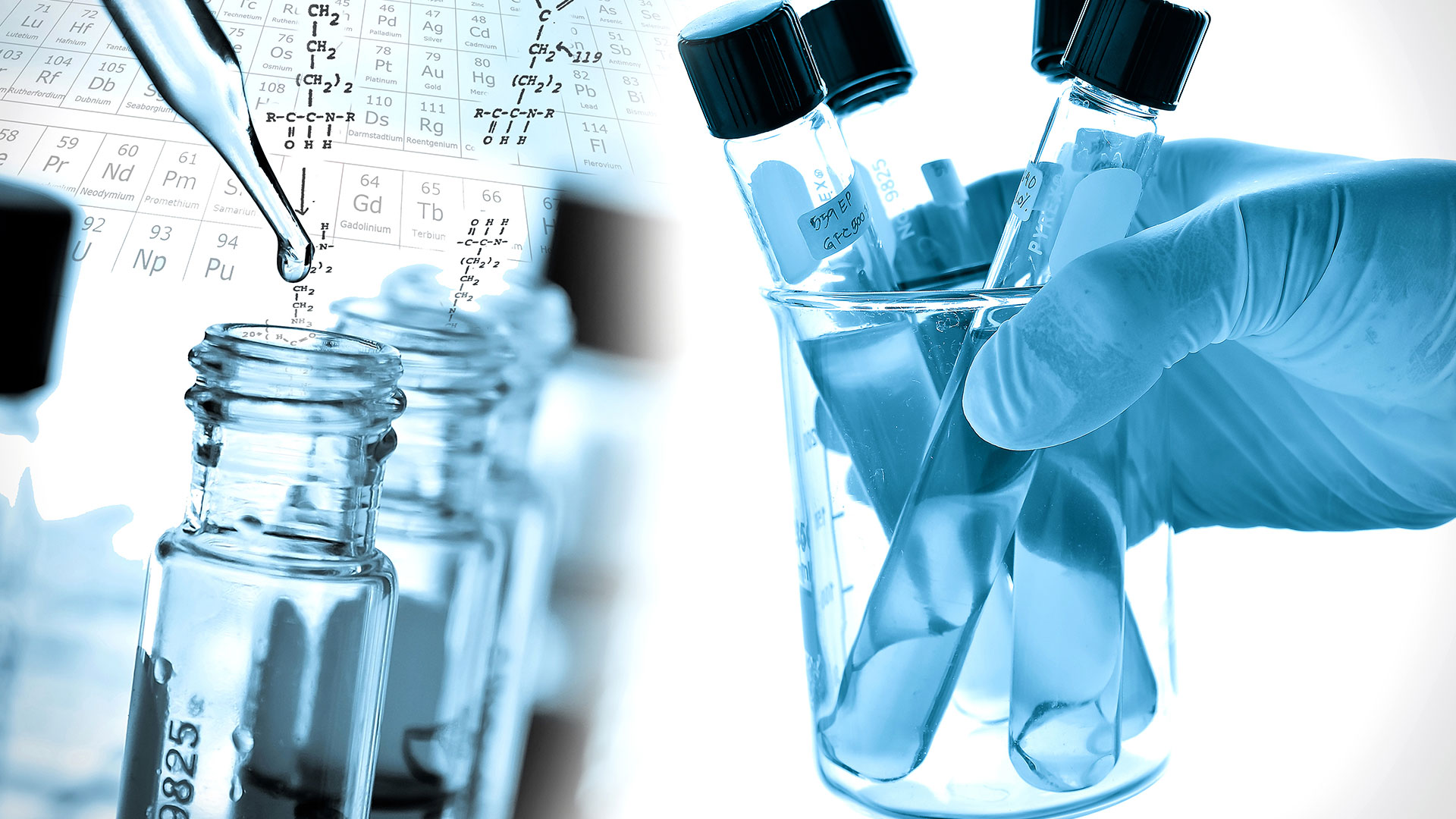
Testing services performed by testing and inspection bodies are therefore of great importance. Engineers, senior technicians, technicians—briefly, specialists who have gained training and experience in their fields—work to add value to production processes and help businesses succeed in global markets, through activities ranging from inspection and supervision to measurement, testing, analysis and evaluation, and in some cases even quality auditing and certification.
Through these testing services, expert personnel provide an independent and impartial service on the one hand, and on the other hand ensure both product safety and marketability for businesses.
For example, with physical tests performed for textile products, the durability of fabrics based on yarn and weaving quality is tested under standard conditions defined by domestic and international organizations, using state-of-the-art equipment. The main tests performed in this scope are tear strength, breaking (tensile) strength, recovery (elastic) resilience, seam slippage resistance, abrasion resistance, pilling, and accessory tests. In addition to physical tests, flammability, fastness, shrinkage, chemical, ecological, microbiological, and various specific tests are also carried out.
Meanwhile, the Restriction of Hazardous Substances (RoHS) Directive published in EU countries requires manufacturers of electrical and electronic devices to comply with certain limits regarding the types and quantities of chemicals used in their products. Within the scope of electrical safety tests, measurements and tests identify certain chemicals that are hazardous to human health and the environment and are either prohibited or restricted in electrical and electronic equipment. In our country, based on this directive, the “Regulation on the Restriction of the Use of Certain Hazardous Substances in Electrical and Electronic Equipment (EEE Regulation)” has been issued.
Food tests are performed not only to determine the content and quality of food products but also to ensure food safety. These tests are important both for food manufacturers to prove themselves and for consumers to access safer food products. Tests and analyses are carried out in line with current legal regulations, national and international standards, and specific criteria requested by producers and consumers.
The main services provided by testing and inspection bodies within this scope are:
Food tests may be carried out at any stage of the various processes applied from the manufacturer to the consumer.
Like many testing and inspection bodies, our organization also provides a range of measurement, testing, analysis, inspection, and control services within the scope of testing services. These services generally fall under the following headings:
Sectoral Analyses
Textile sector, food sector, electrical and electronic sector, industrial tests, or environmental tests. There are three main goals for all such testing and analysis activities: protecting human health, protecting consumer rights, and protecting the natural environment.
Considering not only these sectors but also the auxiliary sectors that serve them, the types and magnitude of risks that arise—in terms of the number of employees working in these sectors, the number of consumers using these products, and the harm these products cause to the environment during production processes and as waste at end-of-life—are alarming.
Therefore, the World Health Organization (WHO) foremost, many public or private organizations sensitive to this issue, and, of course, governments are striving to do their part.

Essentially, the work carried out in this area can be grouped under the following headings:
In parallel with technological development, new machines emerge in industry every day, new products are designed, and a great many products—from clothing and foods to electrical and electronic devices and all kinds of machines that make life easier—are offered to consumers. Although all these products may seem harmless today, their long-term effects on human health and environmental conditions are not fully known.
Measurements and tests are being conducted, and standards set, for how far today’s indispensable smartphones should be carried from the human body.
It has been demonstrated through such tests and measurements that electrical devices both affect other devices and are affected by them via electromagnetic waves; standards have been established on this subject.
Additives added to foods provide color, aroma, and flavor; on the other hand, these tests and analyses have determined how harmful the chemicals they contain can be to human health, and upper limit values have been set for their use.
Beyond these points, all businesses that place a product on the market attach importance to ensuring that their products comply with safety-related standards and national and international legal regulations, and are of a quality that meets consumer expectations. To achieve this, they must carry out measurement, testing, analysis, and evaluation at various stages of production. This applies to all types of products in the consumer goods sector. This necessity arises partly from competitive conditions, but more importantly it is essential to gain reputation, be reliable, and be sustainable in the market.
In recent years, environmental conditions have been emphasized more than ever. The world’s ecological balance is deteriorating, climate conditions are changing, and global warming is increasingly evident. Everyone has a responsibility to leave a more livable world to future generations. Therefore, it is everyone’s responsibility to act in ways that do not disrupt the ecological balance, respect nature, and are sensitive to environmental problems. Above all, manufacturers must embrace this responsibility. In this respect, production methods that do not harm nature should be preferred, and wastes released into air, water, and soil should be kept under continuous control.
Like many testing and inspection bodies, our organization also provides a range of measurement, testing, analysis, inspection, and control services within the scope of sectoral testing and analysis services. These services generally fall under the following headings:
Acting with this sense of responsibility, our organization performs countless testing and analysis studies, primarily the tests and analyses listed above, for individuals and organizations.
E-mail: egitim@kascert.com E-mail: info@kascert.com